Blocking this hormone, a key to reverse obesity & aging-associated diseases
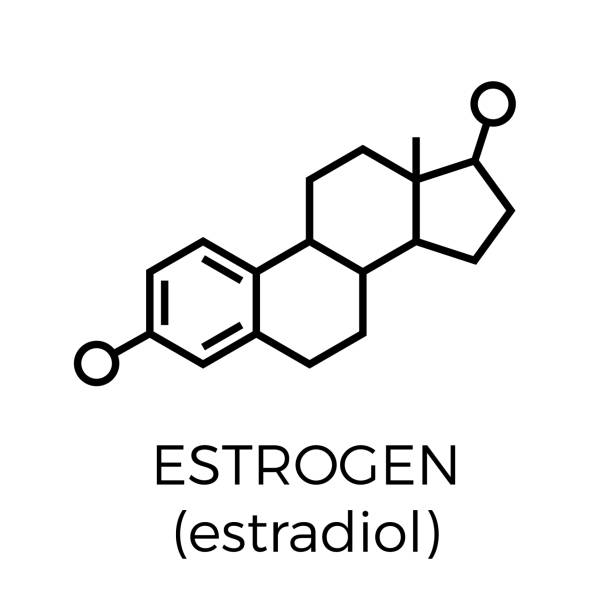
One hormone that rises as we age, which contributes to obesity and different chronic diseases, in both men and women, is estrogen.
I had to state “men and women” because it is perceived as a “female” hormone.
First, in the context of women’s health, for years, the mainstream medical belief has been that menopause is a condition caused by estrogen deficiency. Consequently, hormone replacement therapy (HRT) with estrogen used to be prescribed to women experiencing menopause symptoms.
The popularity of HRT has waned somewhat over the past two decades due to worrisome side effects such as increased risk for cancer, cardiovascular disease and increased, risk of forming clots, memory and cognitive issues and mood swings.
By now, plenty of research has shown that estrogen levels and activity in cells actually rises, not falls, with age, and adding more estrogen is harmful and not helpful.
The HRT side effects are actually indicative of its truer nature, as a hormone that contributes to poor health and aging, in men, just as much as in women.
Estrogen’s nature is such that it
1. Decreases the cells’ capacity to produce energy (diabetes and memory loss)
2. Suppresses thyroid function and lowers metabolism (weight gain)
3. Contributes to excessive cell division (cancer)
4. Contributes to swellings (edema, enlarged prostate)
5. Contributes to tissue degeneration (bone loss)
6. Contributes to clotting and inflammation (heart disease).
Recently, a new interesting animal study showed that blocking estrogen in menopausal animals prevented diet-induced obesity.
The researchers used an estrogen-blocking drug called EM 65 to achieve that, as well as reversal in bone loss caused by menopause.
More interesting to natural health practitioner like me, is the fact that the study also tested the effect of a natural hormone called DHEA, which showed similar results! DHEA is freely available in the US as an over-the-countre supplement, but to dose it correctly, it is best to speak to a healthcare practitioner who is familiar with its use.
I have used DHEA successfully, in combination with progesterone, an even more portent, and often more useful estrogen-blocking substance, to facilitate desired outcomes related to the
lowering of estrogen, with patients.
Nutritionally, to lower estrogen it is important to avoid polyunsaturated fatty acids and ensure that blood suagr levels don't drop (plenty of fruit is helpful).
In general, things that contribute to chronic diseases, like poor nutritional choices and stress, also contribute to increase in estrogen levels.
How do you know if your estrogen is high? How can you test it?
Testing estrogen in the blood is possible, but not accurate to say the least, because blood levels don’t necessarily reflect tissue levels well.
I rely primarily of testing blood levels of prolactin, because it turns out that prolactin in the blood is a decent “surrogate” for estrogen tissue levels.
Other than that, paying attention to signs and symptoms is necessary as well,
Keeping estrogen under control is often necessary in order to overcome common chronic diseases associated with premature aging.


