High Cholesterol: A Naturopathic Doctor's Root-Cause Approach to Cholesterol and Heart Health
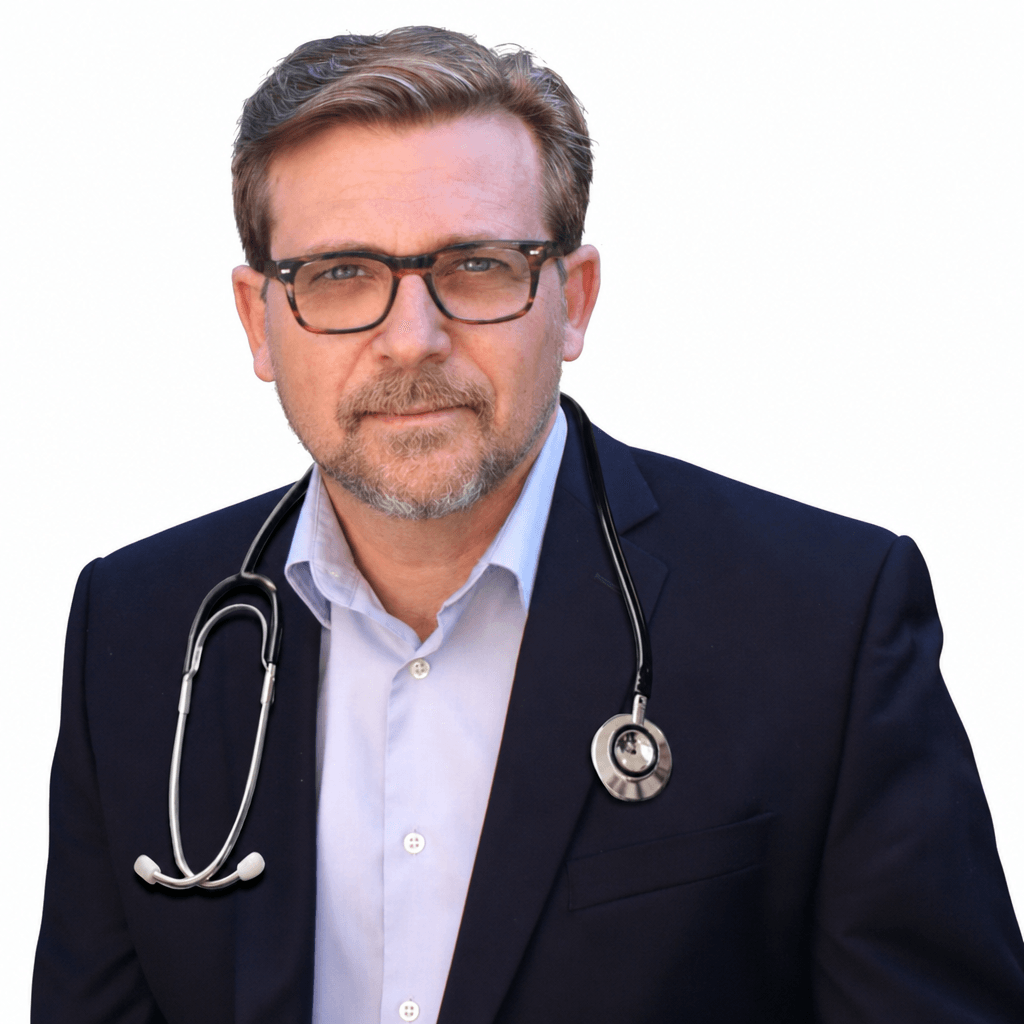
You've been told your cholesterol is too high and handed a number to bring down. In my practice, I treat cholesterol as an effect, not a cause. It's usually a sign that something else in your body is off, and that is what needs attention.
I'm Dr. Elie Klein, ND, a naturopathic doctor (naturopath) with 23 years of clinical practice and the author of Read This If You Have a Heart, a book on lowering high blood pressure, cholesterol, and blood sugar naturally.
Who this page is for
This page is for you if:
- You've been told your cholesterol is high and want to understand why
- You've been advised to take a cholesterol medication, and you'd like to explore your options
- Your cholesterol is "normal" but you're concerned about your heart
- You also have thyroid problems, diabetes or prediabetes, high blood pressure, or chronic stress
- You want a root-cause approach to heart health
Ready to talk? Start with a free 15-minute conversation, or book your first consultation.
Book a Consultation or a Free 15-Minute Call
Cholesterol is not bad for your heart
Cholesterol is made on purpose. About 85 percent of it comes from your own liver, not your diet. It's a building block for your cell membranes and for hormones, including estrogen, progesterone, testosterone, cortisol, and vitamin D. Your body also uses it to make bile, which digests fat and fat-soluble vitamins.
Cholesterol doesn't simply stick to your artery walls and cause plaque. It becomes part of plaque only when there is excessive oxidation and inflammation in the system. That is what has to be addressed first.
It also helps explain why more than half of the people who have heart attacks have normal cholesterol at the time.
What really drives cholesterol up
When cholesterol is high, I look for what's driving it. These are the most common causes:
- Low thyroid function. Low thyroid is generally associated with high cholesterol, and there are plenty of studies showing it. Even without a hypothyroidism diagnosis, there can be subclinical low thyroid function that doesn't show up as a clear lab abnormality. See my approach to thyroid problems.
- Suboptimal metabolic health and irregular blood sugar, which push cholesterol production up. See my approach to blood sugar.
- Endotoxin exposure, a significant and often overlooked driver of cholesterol production.
- Chronic stress. Your body needs cholesterol to make stress hormones like cortisol, so ongoing stress raises production.
Lowering cholesterol naturally means identifying these underlying causes and addressing them. When they are, cholesterol levels tend to come down on their own.
My root-cause, functional medicine approach
Rather than treating the number as the target, I look at cardiovascular inflammatory and clotting markers, such as high-sensitivity C-reactive protein (hs-CRP) and fibrinogen, along with markers of oxidation, thyroid function, blood sugar and insulin, and your overall heart health and energy production. Cholesterol ratios still matter, but as one piece of the picture.
Your plan is individualized. It supports thyroid and metabolic function, reduces endotoxin exposure and its effects, addresses chronic stress and the balance of cortisol, DHEA, and pregnenolone, and stabilizes blood sugar. It includes my 40-40-20 approach to eating, individualized nutraceuticals, and hormone support when needed, and I help you put it into practice.
Your diet is individualized and low in processed foods. Fried foods, seed oils, and heavily processed foods are the main things to cut. Home-cooked food, including its natural fats, isn't the problem, and I don't recommend aggressively cutting dietary fat or cholesterol, since your body needs both.
If you'd like to avoid cholesterol medication
Many people come to me hoping to avoid cholesterol medication. If that's you, there are alternatives that can be explored safely, under supervision by me and your doctor, for as long as you wish. Your doctor is an important part of your care, and my approach is meant to work alongside theirs. Please never stop or change a prescribed medication on your own.
How we work together
- Before your visit: you complete a health questionnaire and send me your recent lab work.
- Your consultation: a one-on-one video visit where we go through your history, unhurried.
- Targeted testing: only what's needed to find what's driving your cholesterol and what's happening with inflammation, oxidation, and clotting.
- Your plan: diet, lifestyle, and individualized treatments, with my support.
- Follow-up: we track your markers and your labs together and adjust.
A note about your doctor
My approach isn't meant to replace your doctor's care. It's meant to complement it and, ideally, support and improve it. We can share what we find with your doctor, so your care stays coordinated.
What we aim for
Better cholesterol management and, more importantly, a reduced risk of cardiovascular disease. That means lower cardiovascular inflammatory markers, normal clotting (coagulation) activity, and evidence of healthy, plaque-free arteries and good circulation. If you'd like examples of the results other people have experienced, reach out to me and I'll send you a link.
Virtual care across Ontario, or in person in Vaughan (Greater Toronto Area)
Appointments are by secure video from the comfort of your home, whether you live in Toronto, Vaughan, Markham, Mississauga, Hamilton, Ottawa, London, or anywhere else in Ontario. If you prefer a one-on-one visit in person, you're welcome to come to my home office in Vaughan, in the Greater Toronto Area. Most extended health plans in Ontario cover naturopathic care, including cholesterol-related visits. Check your plan for your coverage details.
Book a Consultation or a Free 15-Minute Call
Related reading
- Natural cholesterol treatment: a naturopathic doctor's approach to your numbers
- High blood pressure: my root-cause approach
Frequently asked questions
Is cholesterol bad for the heart?
No. Cholesterol is essential. Your body makes most of it on purpose, and uses it for hormones, cell membranes, and bile. It only becomes part of plaque in arteries when there is excessive oxidation and inflammation, and those are what need to be addressed first.
Can I lower my cholesterol naturally?
Yes. Lowering cholesterol naturally means finding and addressing the underlying causes of high cholesterol, such as low thyroid function, endotoxin, chronic stress, and blood sugar problems.
Why is my cholesterol high even though I eat well?
Most of your cholesterol is made by your liver, and the amount depends on what's driving it: thyroid function, stress, blood sugar, and endotoxin often matter more than diet alone.
Do I need a statin?
That's a decision between you and your doctor. If you'd like to avoid cholesterol medication, there are alternatives that can be explored safely, under supervision by me and your doctor, for as long as you wish. Please never stop a prescribed medication on your own.
Does thyroid affect cholesterol?
Yes. Low thyroid function is generally associated with high cholesterol, and many studies show it. This can happen even without a diagnosis of hypothyroidism, when thyroid function is subclinically low.
Is the low-fat, cholesterol-lowering diet outdated?
I don't believe in one diet for everyone. The best diet is individualized and low in processed foods, and it doesn't aggressively cut natural fats.
Does stress raise cholesterol?
Yes. Your body needs cholesterol to produce stress hormones like cortisol, so chronic stress increases cholesterol production.
Can a naturopath help with high cholesterol?
Yes. As a naturopathic doctor, I look for what's driving your cholesterol and your cardiovascular risk, and I address it with nutrition, nutraceuticals, hormone support, and lifestyle changes, alongside your doctor's care.
Do you treat cholesterol virtually?
Yes. I see patients across Ontario by secure video, from my home office in Vaughan, in the Greater Toronto Area.
References
Sources for the statement that most heart attacks occur in people with "normal" cholesterol:
- Sachdeva A, Cannon CP, Deedwania PC, et al. Lipid levels in patients hospitalized with coronary artery disease: an analysis of 136,905 hospitalizations in Get With The Guidelines. Am Heart J. 2009;157(1):111-117.e2.
- Miedema MD, et al. Study of 1,062 patients treated for ST-elevation myocardial infarction (STEMI) at the Minneapolis Heart Institute, 2011 to 2014. Presented at the American College of Cardiology Scientific Session, 2017.
About your naturopathic doctor: I graduated from the Canadian College of Naturopathic Medicine in 2003 and have 23 years of clinical practice. I'm registered with the College of Naturopaths of Ontario (CONO registration #1190) and I'm the author of Read This If You Have a Heart. Last updated: November 2026.
This page is educational and isn't meant to replace your doctor's care.


